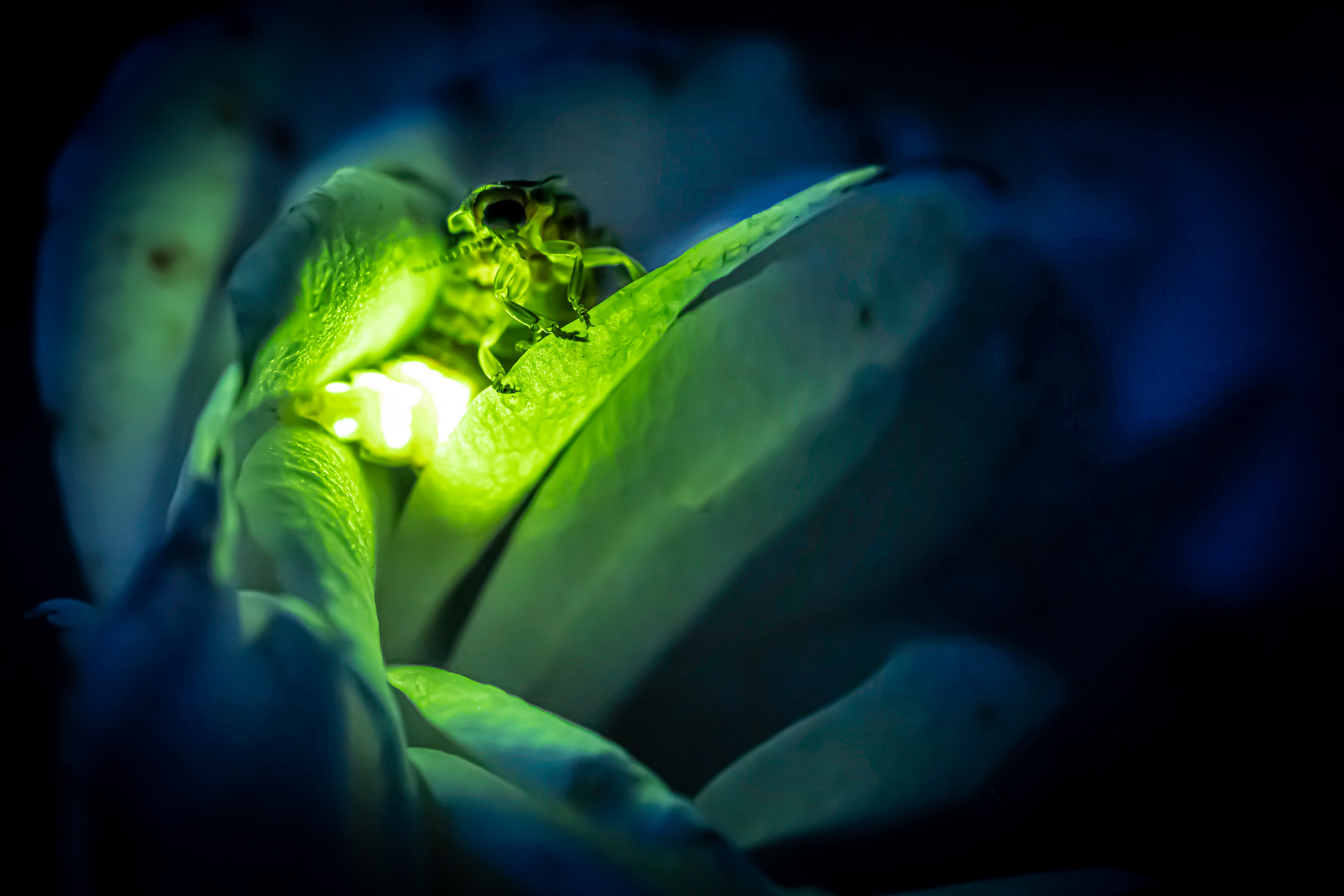
There’s nothing quite like the magic of spotting the glimmering green lamp of a glow-worm on a summer’s evening.
That’s why the JTCT was keen to support a local site in Hampshire which will hopefully see reintroduction take place in 2027-2028.
In the meantime, we were delighted to hear that this incredible insect has now been introduced to a site in the South Downs National Park as part of ongoing efforts to help local populations recover.
The common glow-worm – which is in fact a beetle – is struggling across the UK due to the impact of habitat loss and light pollution, while across Europe five species of glow-worm are threatened with extinction.
The South Downs, which has a handful of sites where glow-worms live, offers good conditions for the species to thrive as it has some of the darkest skies in England. The National Park Authority recently made increasing dark skies coverage a priority in its five-year Partnership Management Plan.
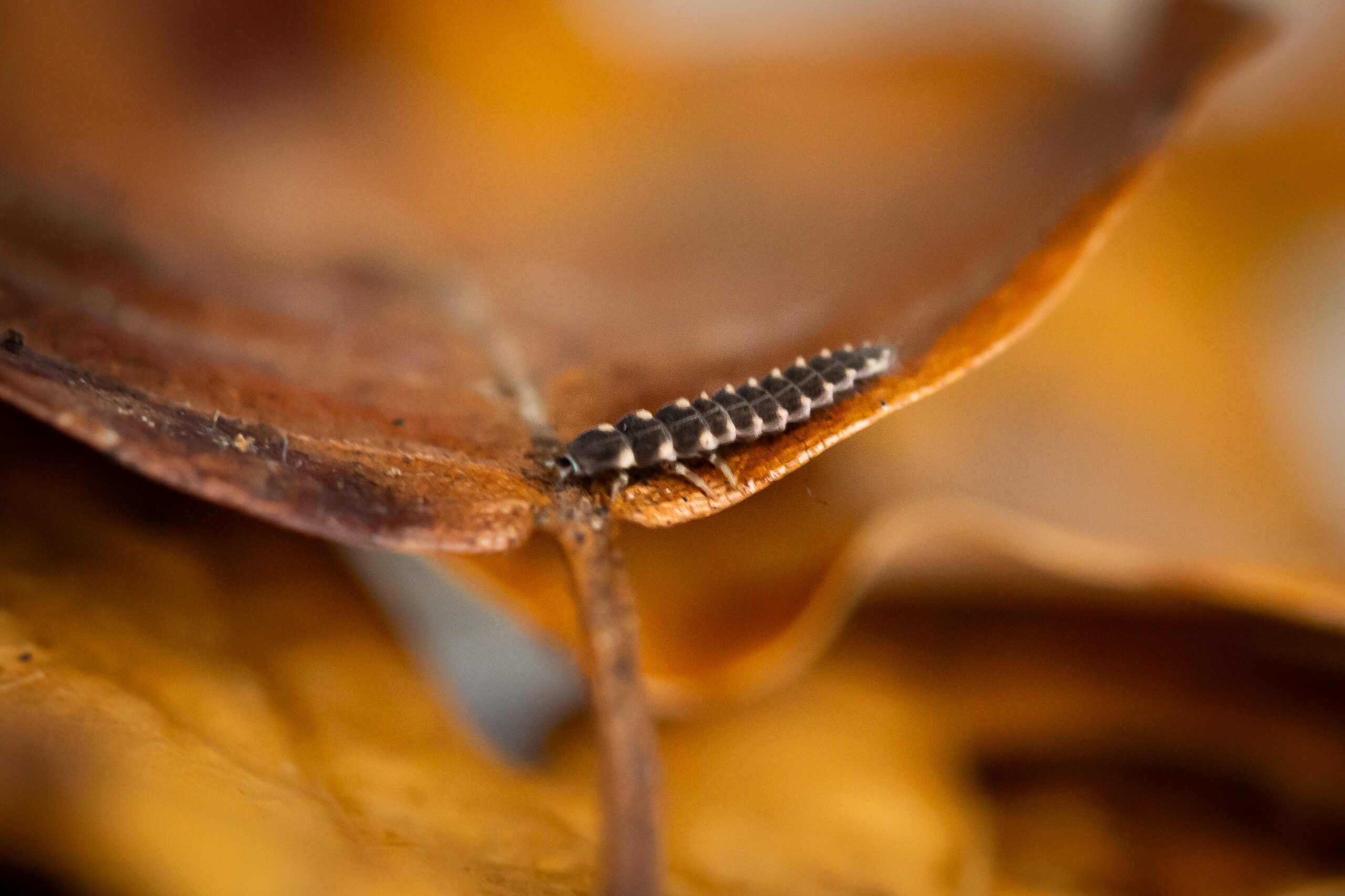
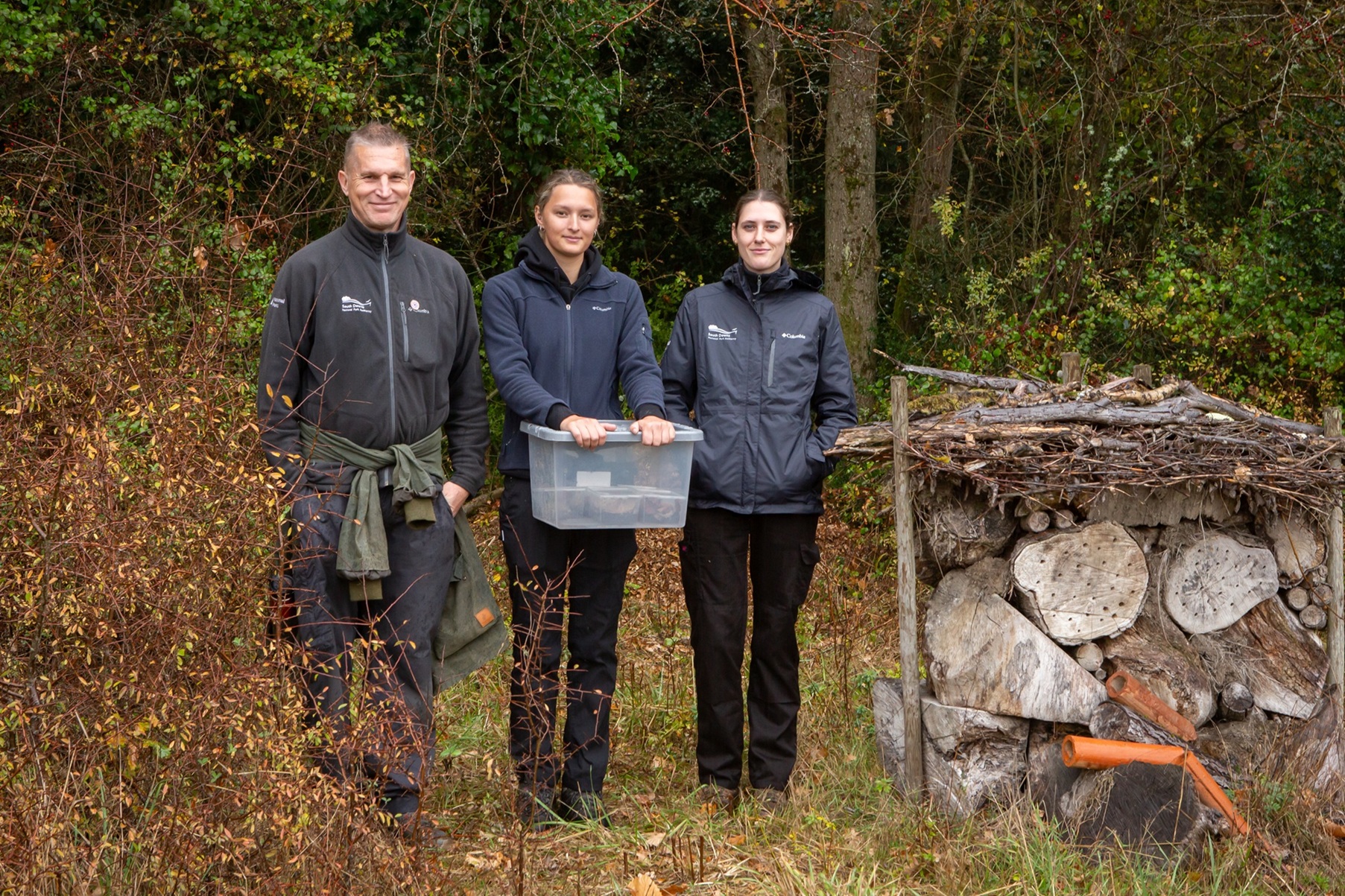
Working with rangers from the National Park, a team of community volunteers released glow-worm larvae to a site near Alton, in Hampshire. The glow-worm larvae came from a site in Devon and were introduced with the help of specialist consultants.
The larvae will continue to grow until the summer of 2027 when they will be fully-fledged adults. The males look like typical beetles, but the females have no wings and look similar to the larvae. During the summer months females put on a spectacular night-time display as they emit light to attract a male, which have large, photosensitive eyes.
Paul Bushell, a National Park Ranger for the Western Downs, said: “Glow-worms are struggling across the UK due to artificial lighting, along with habitat loss and connectivity, contributing to the decline of this magical species. “The local community have worked hard to create a perfect habitat for glow-worms and it’s been wonderful working with them on this re-introduction.
Glow-worms are part of the natural food cycle and help balance the local ecosystem. They’re also a symbol of hope and renewal, and the bioluminescent glow has been used in folklore and art for hundreds of years.
National Park rangers will be working with local volunteers to manage the habitat and carry out surveys over the next year to measure the success of the re-introduction. By next summer, it’s hoped that the glowing displays will begin.

 © SDNP
 © SDNP