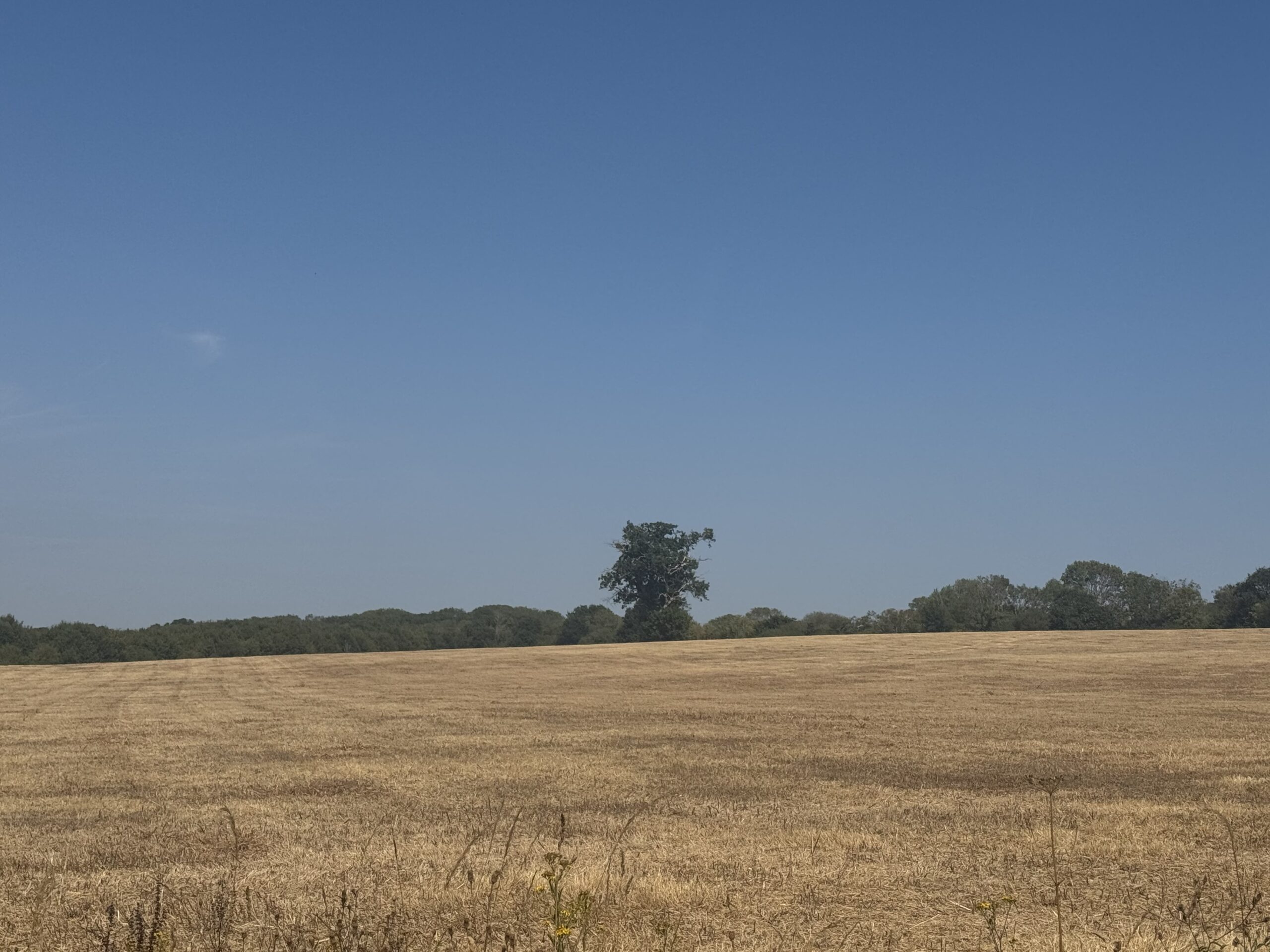
The Motkin Ditch, more commonly referred to as the Motkin Boundary, is one of the Isle of Wight’s more intriguing archaeological landscape features. It is a long, linear bank-and-ditch earthwork running broadly north–south across the Island.
It was identified through aerial photography by local archaeologist David Motkin in the late 1970’s whose work revealed what appears to be disconnected banks, ditches and subtle landscape features are parts of a much larger boundary. The Historic Environment Record identifies the feature as “King’s Quay to St Lawrence (Motkin Boundary)”, with a date ranging from the Early Iron Age to the early medieval period.
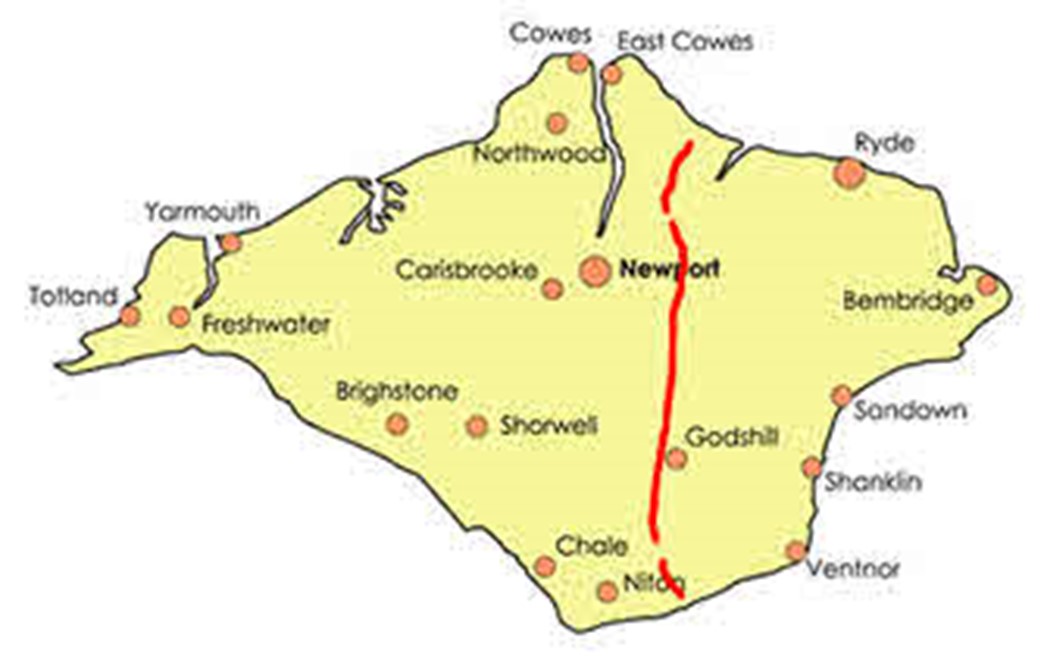
The boundary is described as extending for around 10 miles from King’s Quay in the north of the Island towards St Lawrence in the south and runs straight through Palmers Brook Nature Reserve. The boundary is significant in that it’s not simply an isolated ditch within the reserve; it forms part of a much larger prehistoric landscape feature crossing the Island.
Archaeological investigation has suggested that various parts of the boundary may have been constructed, altered or reused at different times rather than necessarily representing one single episode of construction and parts are around 2 metres in depth.
Its original purpose remains uncertain but its thought it could have served several purposes:
Territorial boundary – marking the limits of a community or territory.
Land management – controlling movement of livestock and people.
Defensive function – particularly where the ditch and bank were substantial.
Symbolic or social boundary – separating different areas of settlement or land use.
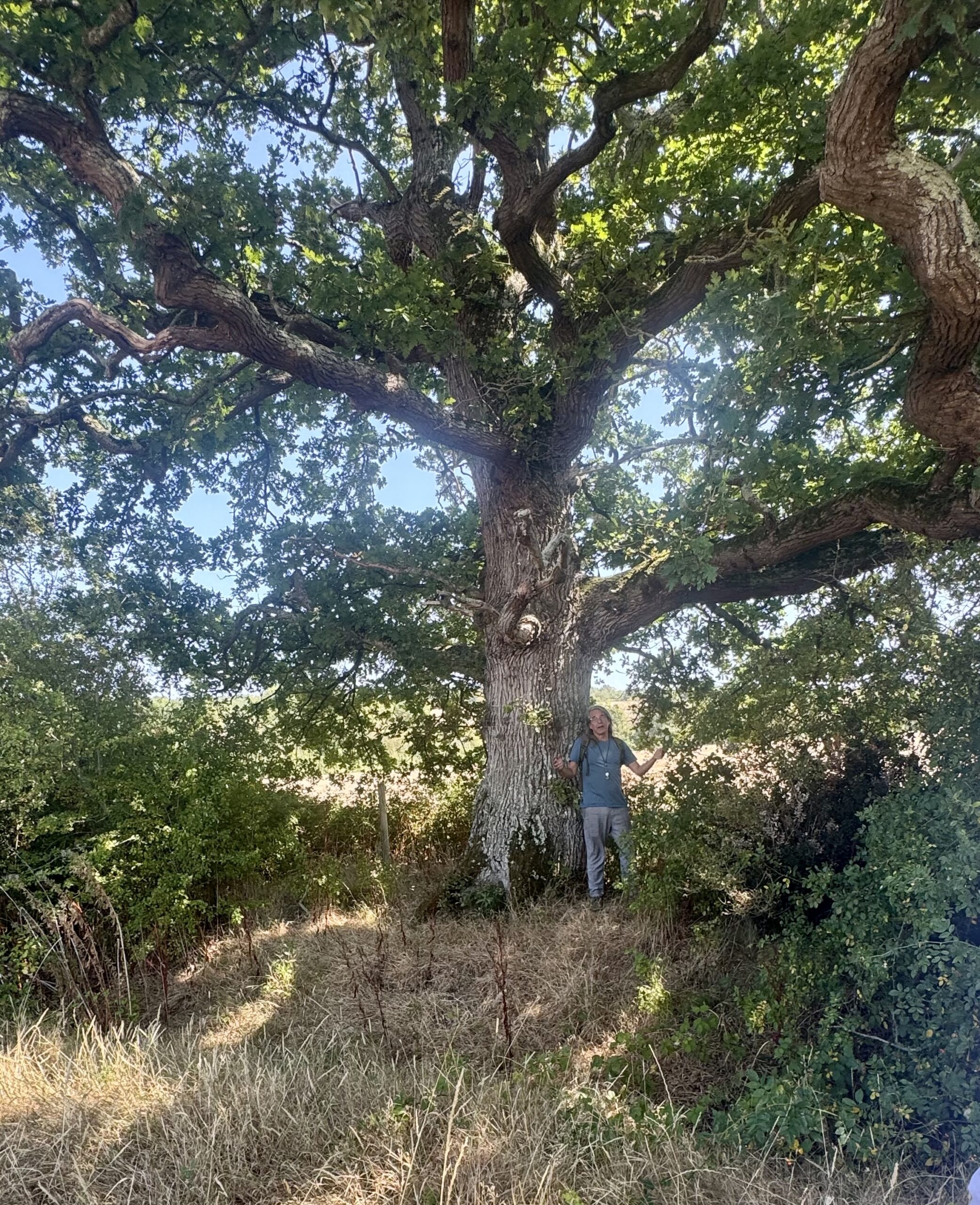
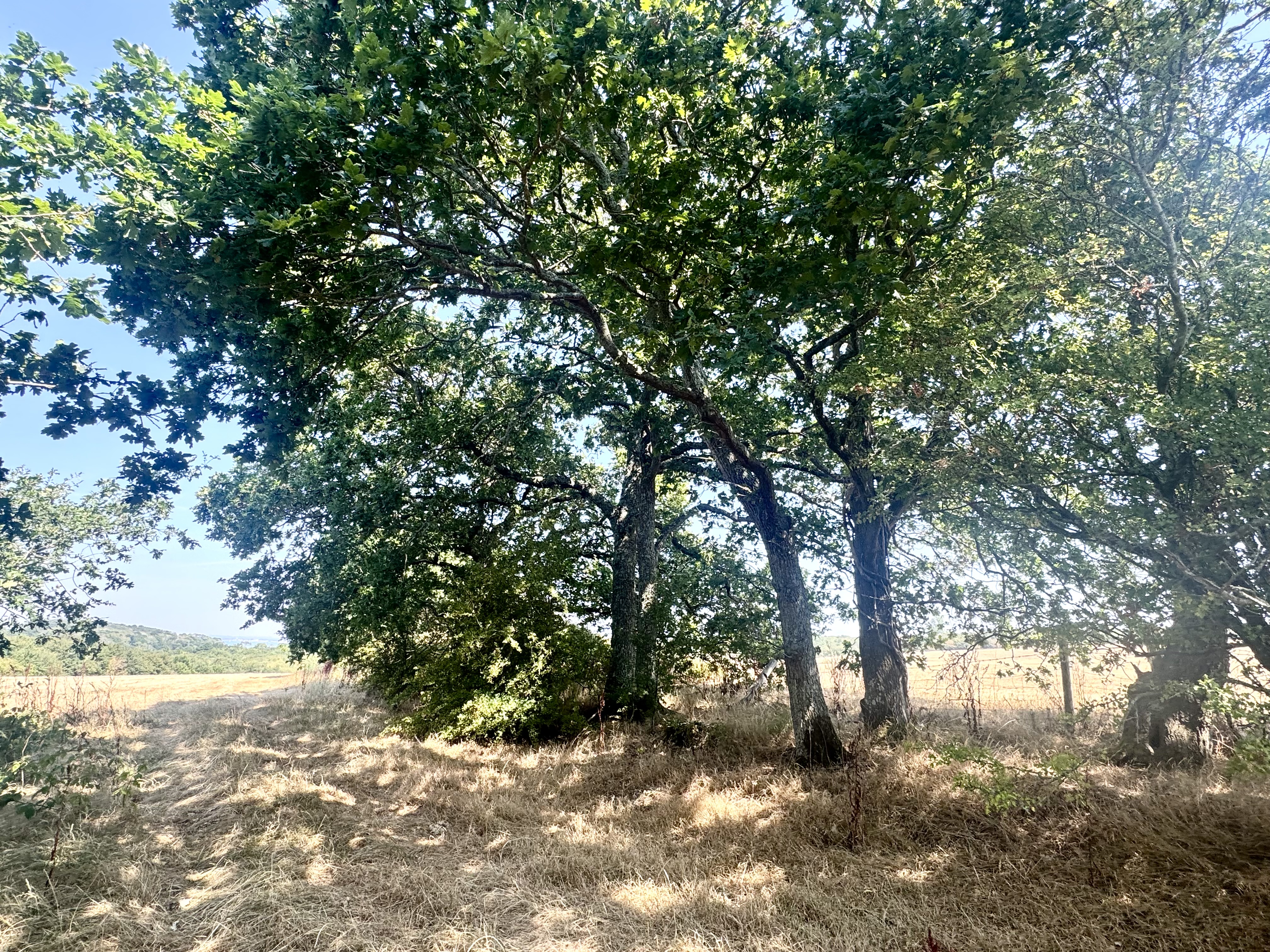
The boundary running through the reserve is lined with a few hybrid oaks, Sessile Oaks, Wild Service trees and Butchers Broom which are all indicators of an remnant ancient landscape. Whilst almost all the boundary remains intact on the reserve, there is a section towards the north which overtime has been lost. It’s the Trusts intention to restore and replant this section so this unique feature remains for generations to come.

 © JTCT