The first year of ecological monitoring conducted by HIWWT at Palmers Brook Nature Reserve has been a success, with a range of baseline wildlife and environmental surveys completed throughout 2025.
Conducted from May 2025 through to February 2026 this is the first of a three year monitoring programme which includes botanical surveys, fixed point photography, soil analysis, earthworm surveys, water nutrient level analysis, pond assessment, breeding and winter bird surveys and bat, butterfly, bumblebee and orthoptera surveys.
The initial findings highlight the site’s existing ecological importance. The fields are already botanically diverse and bordered by high-quality, species-rich hedgerows. A wide variety of wildlife is already present, including a diverse bird population that uses the site for foraging, commuting and breeding. Surveys have also revealed a rich diversity of earthworm species in the soil and several species of bumblebees adding to our understanding of the site’s biodiversity and the wildlife it supports.
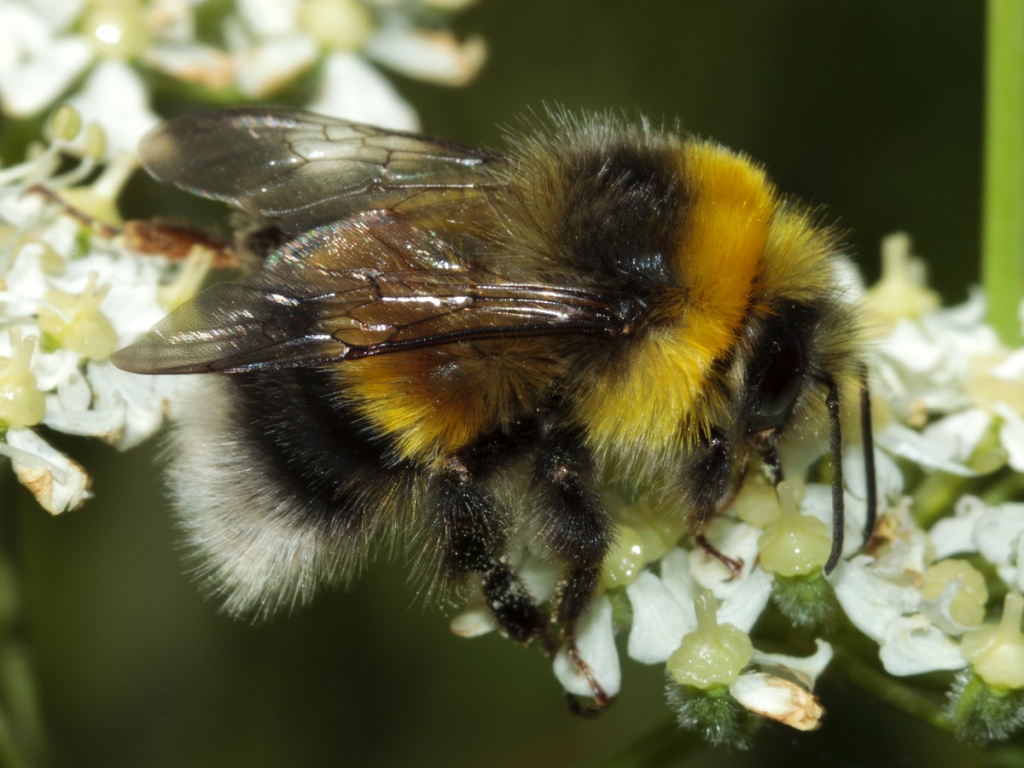
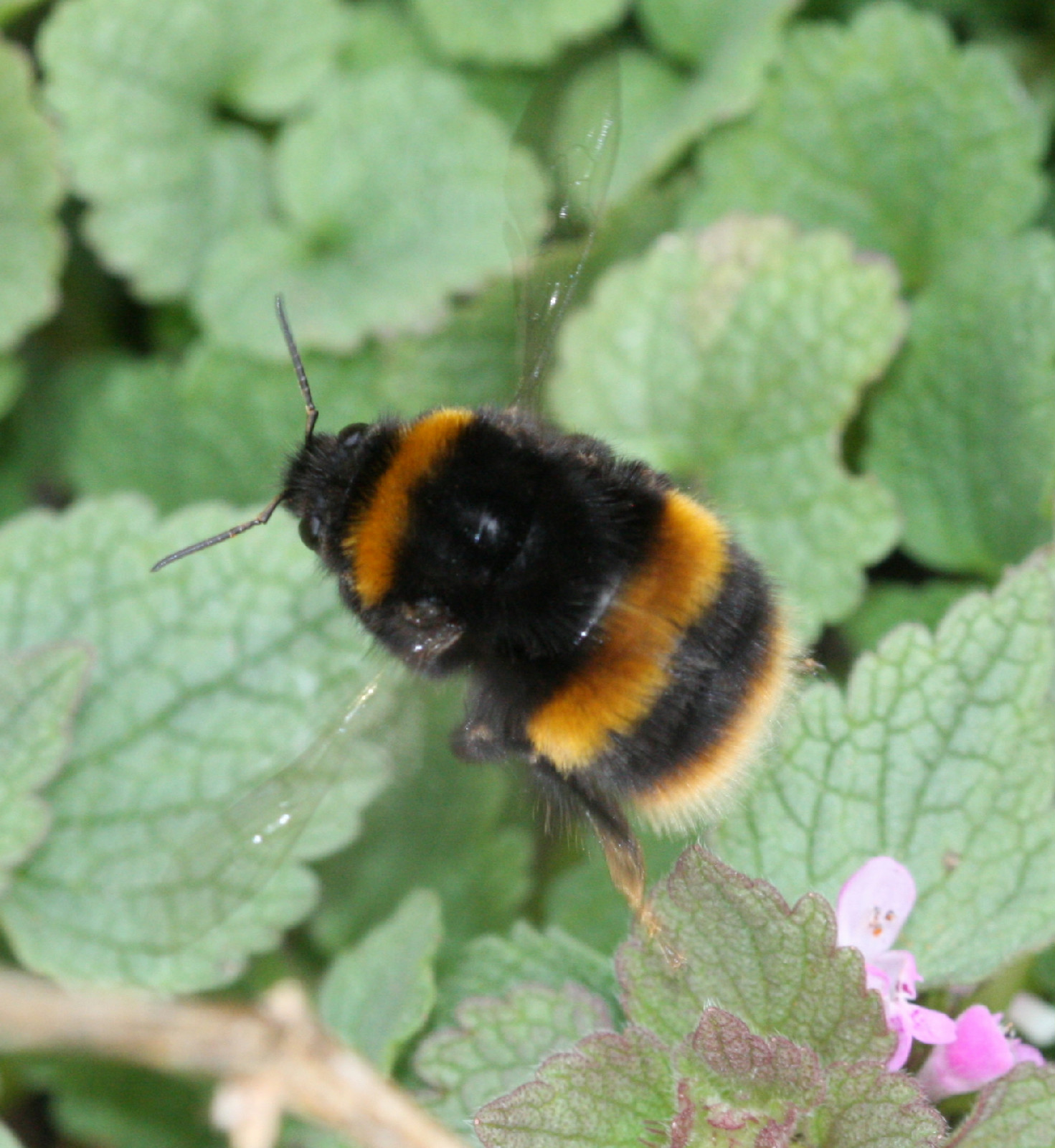
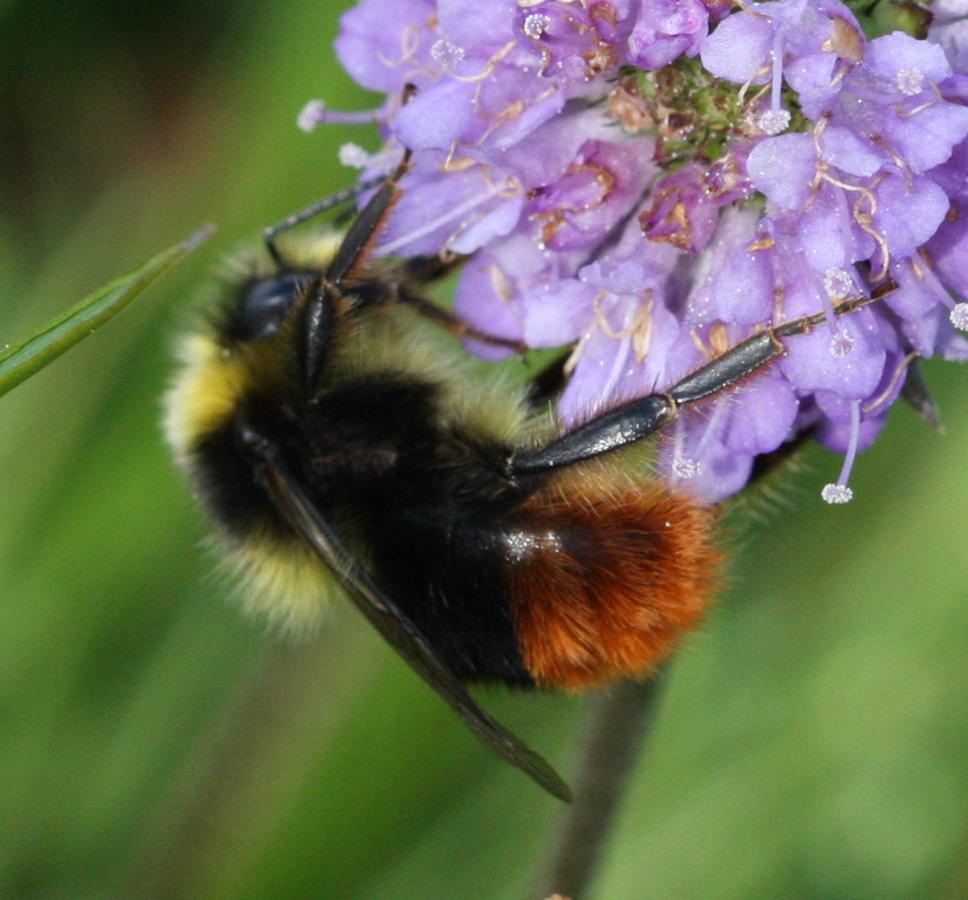
A total of 131 bumblebees of a least four species were recorded at Palmers Brook all of which have distinctive characteristics. White-tailed and buff-tailed bumblebees are familiar visitors to gardens, grasslands and flowering habitats, while the common carder bee is recognisable by its ginger-brown colouring and often nests among vegetation. The red-tailed bumblebee is distinguished by its striking black body and bright red tail. Together, their presence highlights the value of suitable flowering and nesting habitats within the reserve.
The survey results provide a vital baseline against which future observations can be compared. Not only does it help to identify changes in bumblebee populations, but it also highlights the condition of the habitats on which they depend whilst helping to formulate future habitat recommendations to enhance the site for wildlife.